01W. E. B. Dubois Memorial Centre for Pan-African Culture
We will take you on other historical trips to The W. E. B. Dubois Memorial Centre for Pan-African Culture. At the center, the guides will retell the history of Ghana’s Pan-African roots and the links it had with the outside world, especially with the rest of Africa. At The Dubois Memorial Centre for Pan African Culture, you will have a chance to see many African cultures represented in arts and craft. W. E. B. Dubois Center for Pan African Culture is significant in the history of Ghana and that of Africa because it is this place that Dr. Dubois spent two years working on a Pan-African encyclopedia under the invitation of Dr. Kwame Nkrumah. Later you will have an opportunity to taste and learn about local cuisine and interact with otaher patrons. At night, we will drive you through some major streets of the capital city
02The National Museum
Witness merchants do their business in the administrative capital of the country. We visit the warehouse of all of Ghana’s history, The National Museum. This edifice houses documents and historical artifacts that recount the history of Ghana from colonial times. It recounts on the migration to Ghana and also describes the life of the first inhabitants of Ghana. There is a true representation of the many ethnic groups in Ghana and how they are represented culturally. The tour guide will take time to answer any questions you will have on the history of Ghana.
03Cape Coast Castles and Forts – History of Slavery
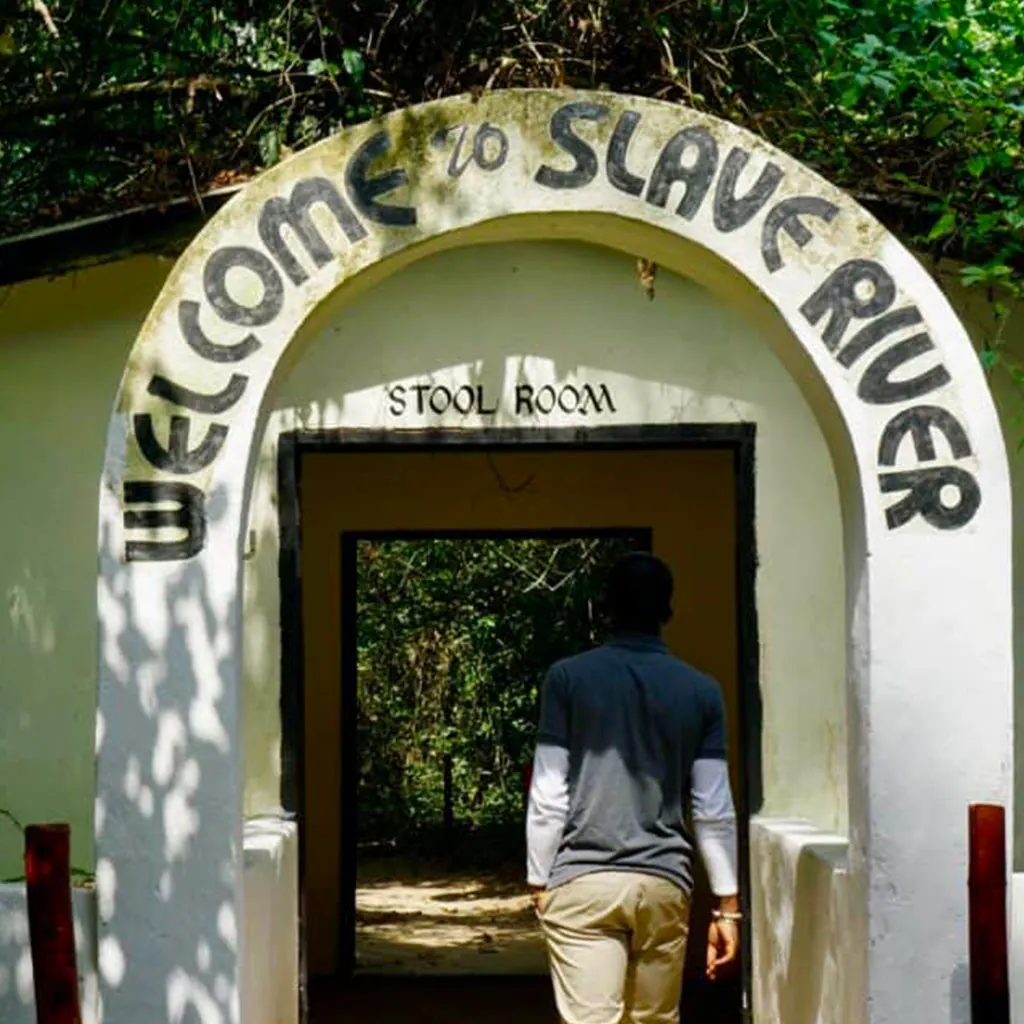
The next adventure will be a trip to the Central region of Ghana; the seat of Ghana’s colonial history where we will explore the infamous forts, castles and slave dungeons of Ghana that was used to hold slaves before they were loaded onto ships and sold in the Americas. On this tour you will experience the physical history of the slave trade, the impact of which is still felt beyond the shores of Africa today. The “door of no return” at the castle was the door the slaves went through and was the last stop before being transported across the Atlantic Ocean, to never return. The slave trade was gradually abolished by each of the colonial powers in the first half of the 1800s, but by this point, the irreversible and immeasurable damage was done. From West Africa alone it is estimated that six million slaves had been shipped to other countries. About 10-15% perished at sea during the so-called Middle Passage, never reaching their final destination. President Barack Obama and his family visited the cape coast slave castle in 2009 where he said it was the first step towards the journey that is the African American experience. He is quoted as saying, “As painful as it is, it helps to teach all of us that we have to do what we can to fight against the kinds of evils that sadly still exist in our world, not just on this continent but in every corner of the globe.” We will visit the gift shop at the castle, walk the beach, enjoy the beautiful scenery and have lunch at the “Castle Restaurant” adjacent to the castle.
Look around this stop →
04Jamestown and Ussher Fort Museum
Visit Accra’s slave fort. See artifacts of how West Africans were held for months in cells. You can imagine the inhuman treatment the people suffered as they awaited the terrifying journey west. A nice late afternoon drive will take us through one of Ghana’s oldest suburb district, Jamestown, a popular tourist destination on the coast of downtown Accra. It is a settlement of the Ghana indigenous people from the Greater Accra region. You will learn about the colonial past, their daily lives, culture and traditions. If you are physically up to it you may want to test your endurance and climb the stairs of the Jamestown lighthouse, which is 35 meters (113 ft.) above sea level. You can climb to the top to witness the most beautiful panorama view of the city. We will continue our tour and walk around town and see what the locals are up to. We will explore the buzzing harbor to see the fisherman catch of the day. We will explore and taste the various street vendors’ delicacies. A guide will be available to answer any questions you may have. This walking tour is a great introduction to Accra Ghana. Come experience the delight of Ghana. Our staff is waiting to service your every need.
Look around this stop →
05Family Life
Spend time with a local family, the center of Ghanaian society. The family has a very strong bond in Ghana and is the main source of identity, loyalty, and responsibility. Family obligations take precedence over pretty much everything else. The word “family” always includes both the nuclear unit and extended unit of family. The extended family is the most important unit of Ghanaian family structure. You will have an opportunity to observe, ask question and interact with the people to understand what makes family the bedrock of Ghana’s society.
06Religion and Worship
Join in or just observe a religious congregation. Ghana provides for the freedom of religion, allowing people to practice whatever faith tradition they desire. Most Ghanaians identify as Christian or Muslim, but many traditional beliefs still have a strong presence in the country. During the major religious celebration of Ga-Adangbe, Ghanaians return to their home villages to participate in traditional religious ceremonies.
07Culinary
Experience the popular foods of Ghana Many are traditional dishes which reflect the country’s long history and agriculture. Cassava, yams and plantains and fufu are regulars on a Ghanaian plate. These are often served in a soup or stew. While starchy the food is rarely bland in Ghana. Popular spices include cinnamon and hot red peppers. (Chilies and red peppers are extremely important to the Ghanaian farmer’s revenue.
08Dance and Drums
We will hear the sound of drums and the beauty in the culture of the people of the Ashanti Kingdom through their indigenous music, drumming and dancing. You witness firsthand, the local dance and culture of the people. They will recount their history through storytelling and folklore.