Greater Accra
Ghana's capital region on the Atlantic coast — the national museum, Independence Square, the Jamestown fishing quarter and the Kwame Nkrumah memorial.

Countries
The gateway to West Africa
Ghana lies on the Gulf of Guinea coast of West Africa, bordered by Côte d'Ivoire, Burkina Faso and Togo. It is known for its Atlantic forts and castles, rainforest canopy walks, savannah wildlife parks and a living culture of kente cloth, drumming and festivals.
Regions
Each region groups the destinations near it.
Ghana's capital region on the Atlantic coast — the national museum, Independence Square, the Jamestown fishing quarter and the Kwame Nkrumah memorial.
The heart of Ghana's coastal heritage — Cape Coast and Elmina castles, and the Kakum rainforest canopy walkway inland.
The Asante heartland around Kumasi — the Manhyia Palace, Kejetia market and the craft villages of kente, adinkra and wood carving.
Northern grassland and Ghana's largest protected wilderness at Mole National Park, home to elephants and antelope.
Forested hills north of Accra — the Boti twin falls, the Aburi botanical gardens and the Akosombo dam on the Volta.
The eastern borderlands by Lake Volta and the Togo hills, with Ghana’s highest waterfall at Wli.
Ghana's southwest coast around Sekondi-Takoradi — palm-fringed beaches, Cape Three Points, the Nzulezu stilt village and the Ankasa rainforest reserve.
A forested cocoa-growing region created in 2019 from Western, centred on Sefwi Wiawso amid forest reserves and hill country.
West-central farming and forest country around the city of Sunyani, part of the former Brong-Ahafo Region.
A central region around Techiman, home to the Kintampo Waterfalls and the Boabeng-Fiema Monkey Sanctuary.
A small forested region around Goaso in Ghana's cocoa belt, created in 2019 from the former Brong-Ahafo Region.
An eastern region created in 2019 from northern Volta, around Dambai and Lake Volta, with Kyabobo National Park in the hills near the Togo border.
The region around Tamale, Ghana's largest northern city and a gateway to the north, known for its markets, mosques and the Damba festival.
A northern region created in 2019 around Nalerigu, with the Gambaga escarpment and historic defensive walls.
Ghana's northeastern corner around Bolgatanga, known for straw baskets, the painted houses of Sirigu and the sacred crocodile pond at Paga.
Ghana's far northwest around Wa, with the Wa Naa's palace, the Wechiau hippo sanctuary on the Black Volta and old Sudanese-style mosques.
Destinations
11 flagship destinations across 16 regions.
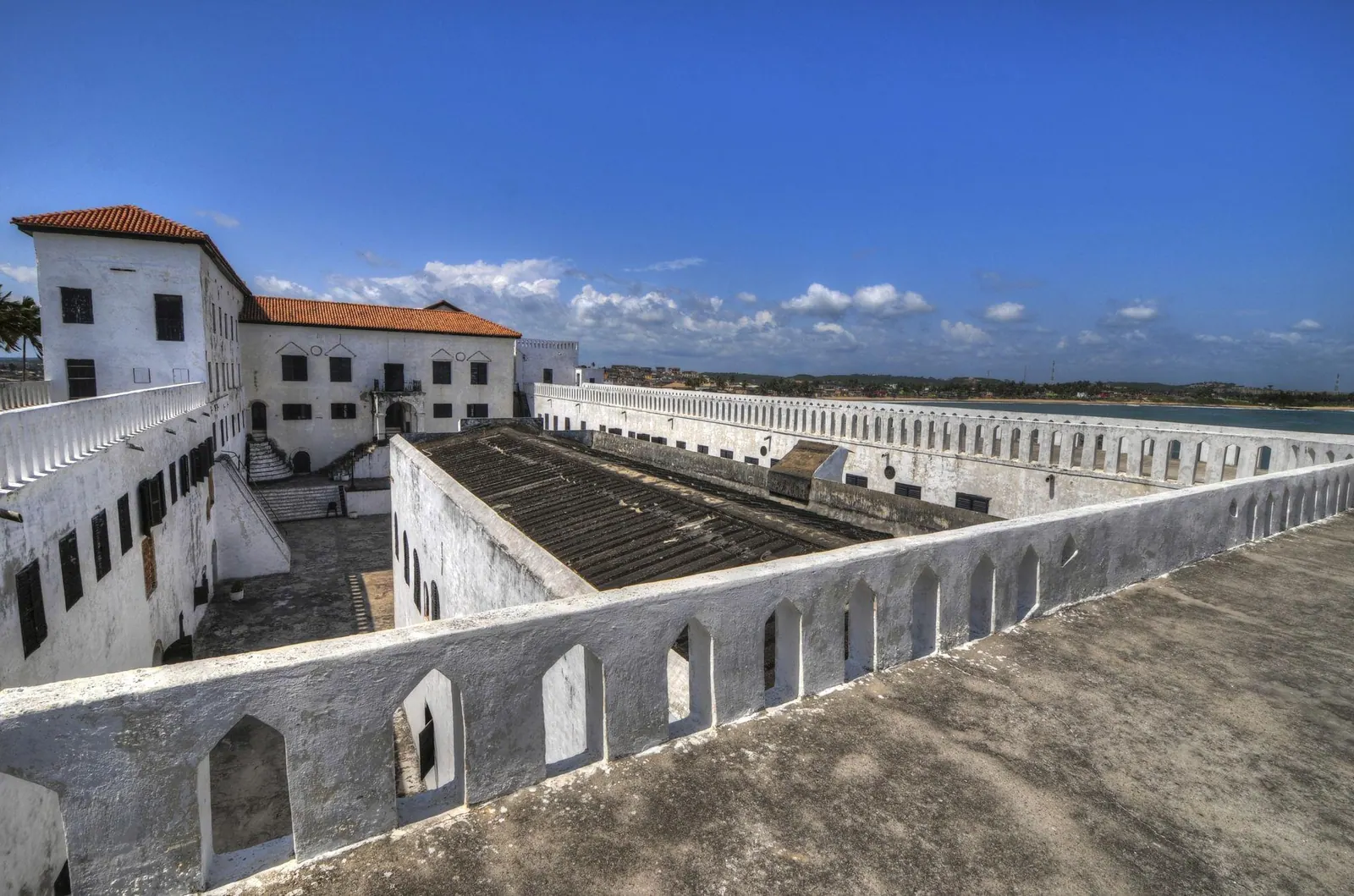
A whitewashed fort on the Gulf of Guinea and one of the most significant sites of the transatlantic slave trade.
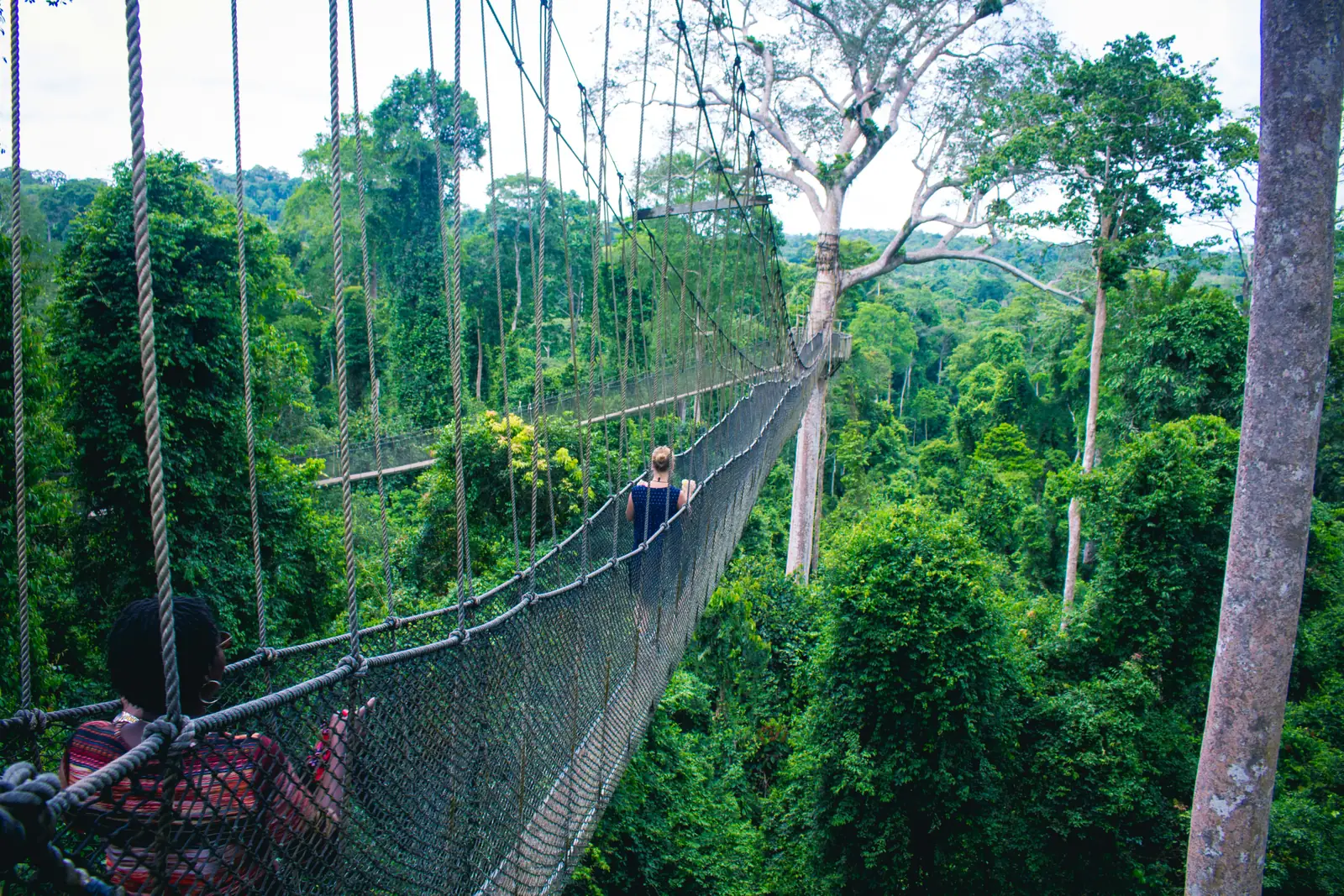
Tropical rainforest crossed by a canopy walkway suspended around 40 metres above the forest floor.
Ghana's largest wildlife refuge, where elephants gather at waterholes below an escarpment camp.
The oldest European building in sub-Saharan Africa, on a rocky Atlantic promontory.
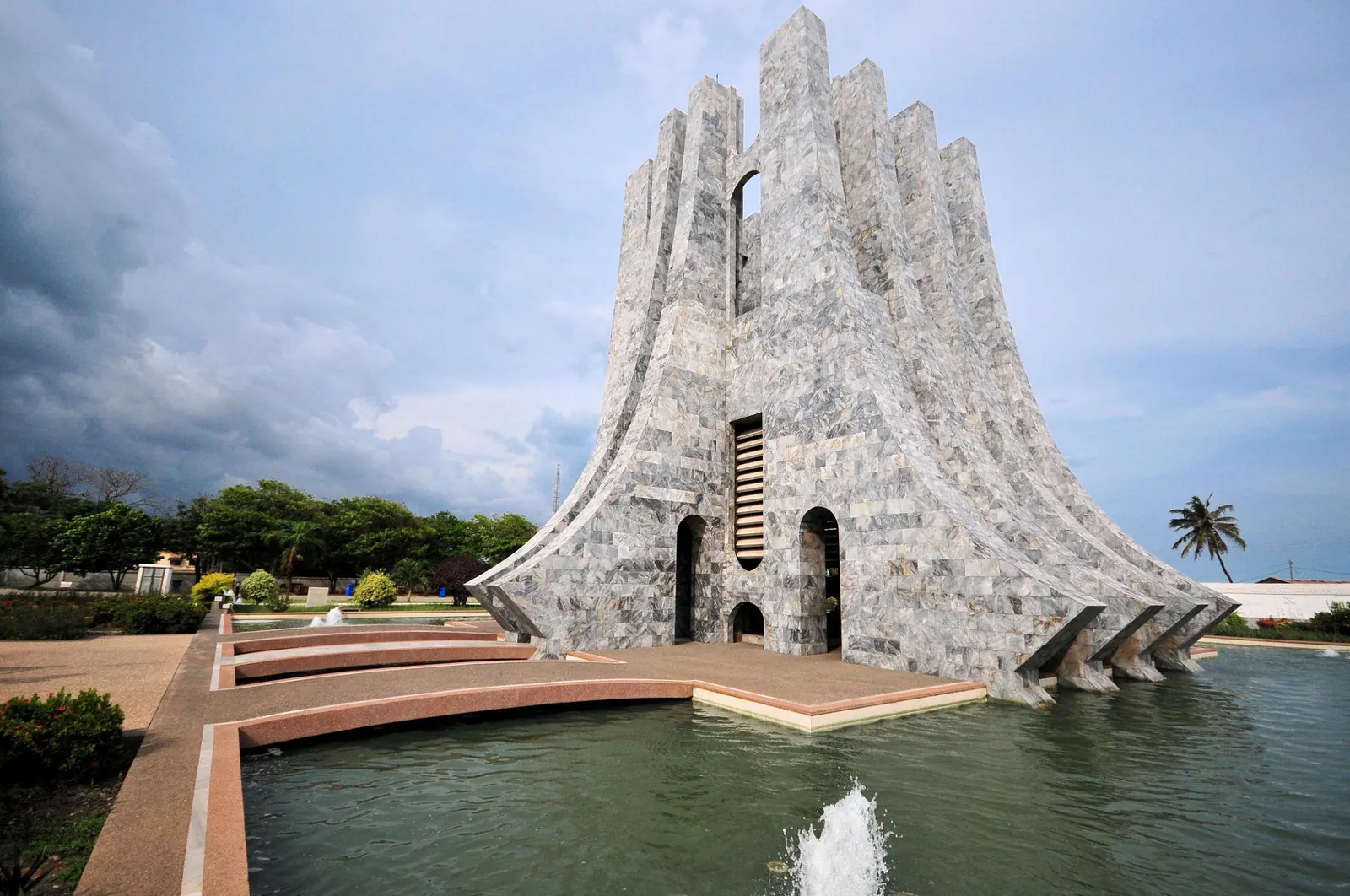
The park in central Accra where Ghana’s independence was declared in 1957.
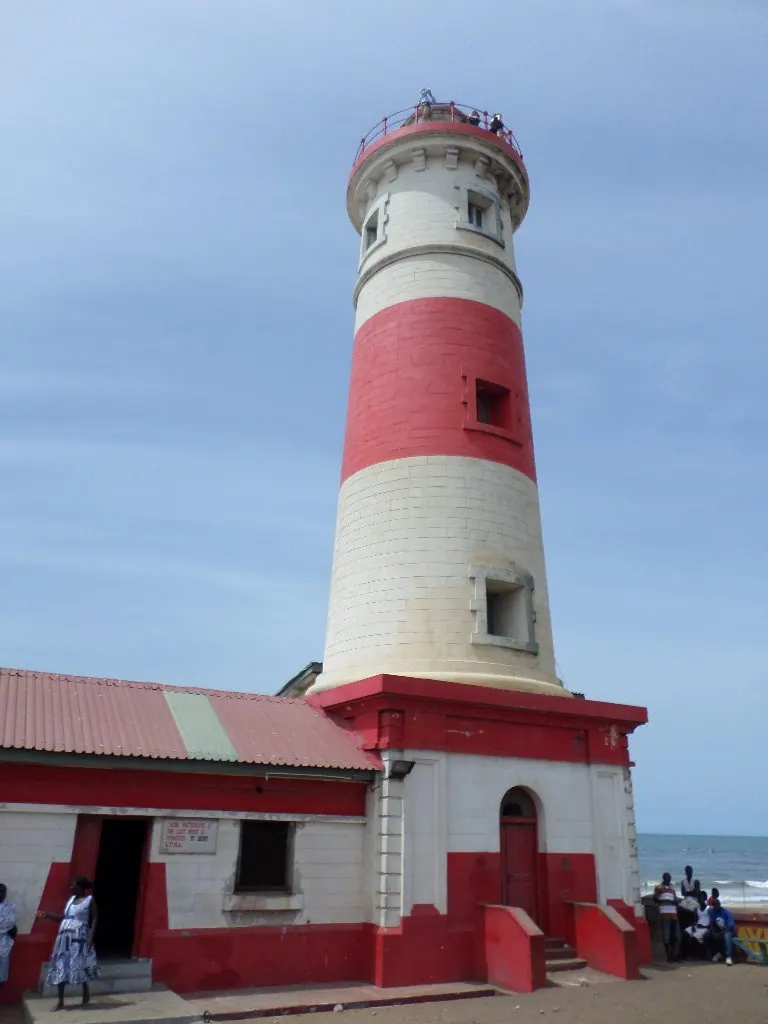
The old fishing quarter of Ga Mashie below a colonial-era lighthouse.
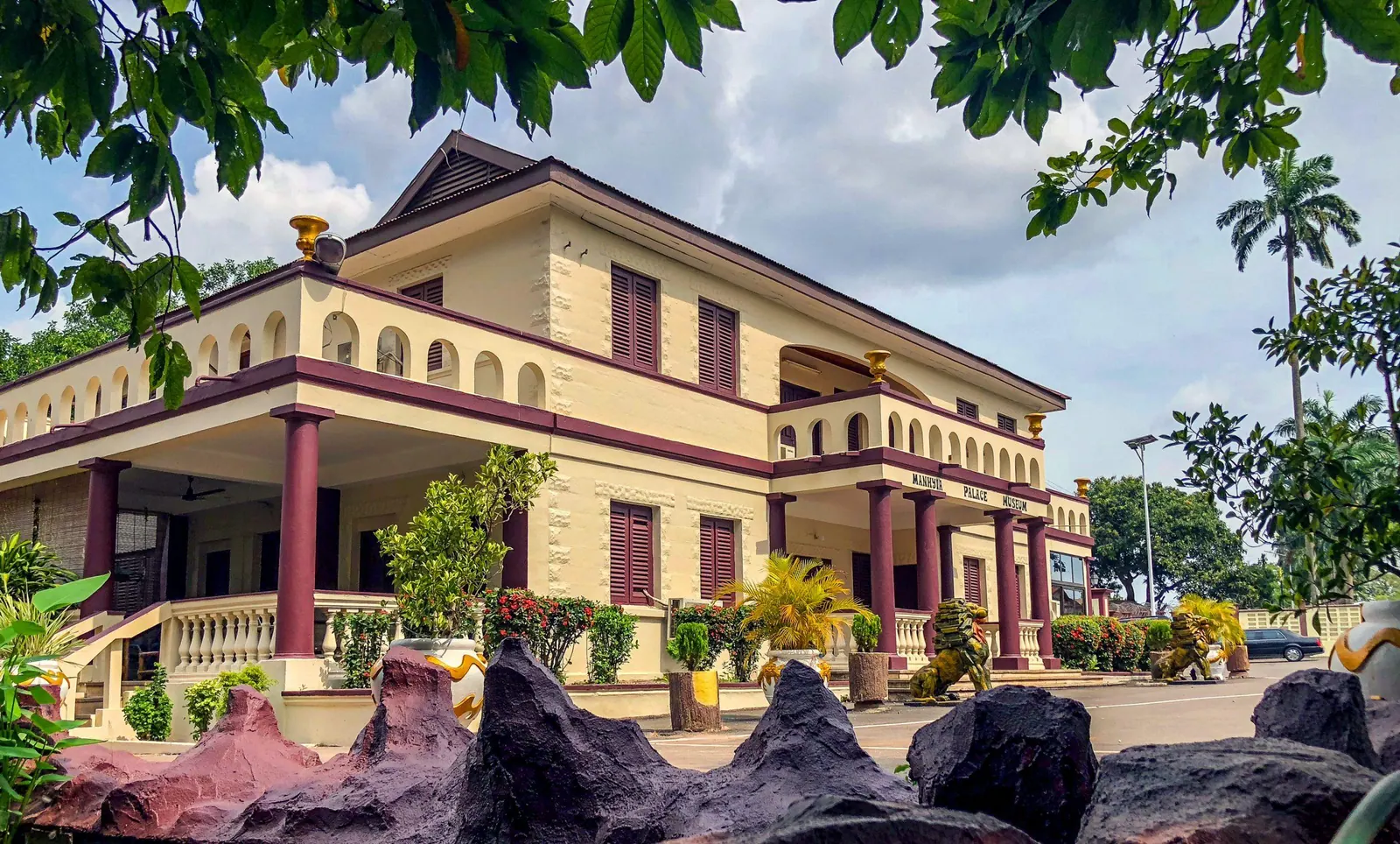
The former royal residence of the Asante kings in Kumasi, now a museum.
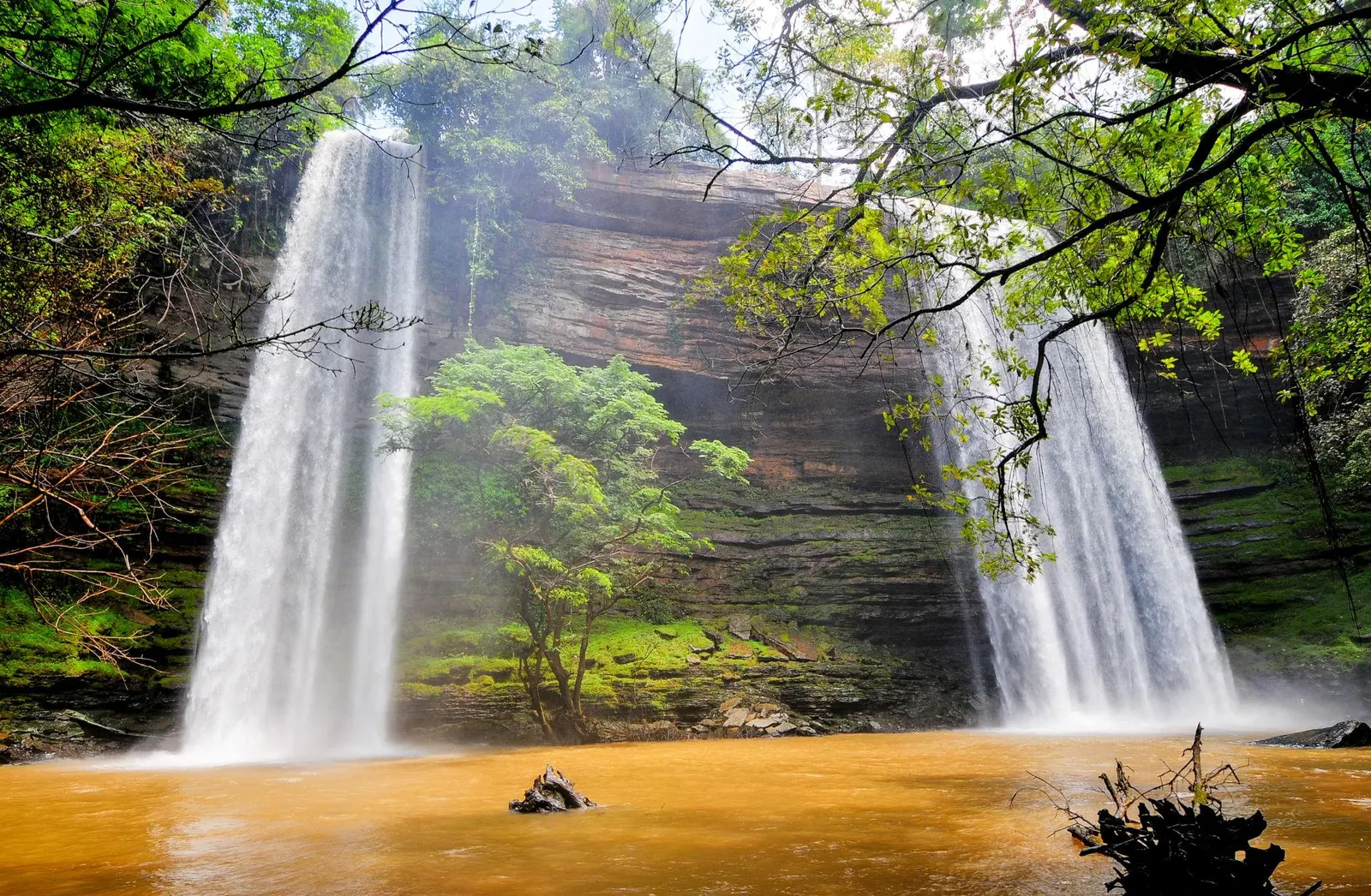
Twin waterfalls in a forest reserve, joined by a seasonal pool.
Hill-station gardens above Accra, laid out in 1890.
The highest waterfall in Ghana, in the Agumatsa reserve.
The dam that created the world’s largest reservoir by surface area.
Plan your trip
November to March, the drier Harmattan season. Explore the destinations above, then reach out to plan the route.